Will Taking Exams in Higher Education Institutions Become More Difficult from the 2026/2027 Academic Year? Analysis of the New Draft Decision
Curated and fact-checked based on official notices from the Ministry of Higher Education and university press offices.
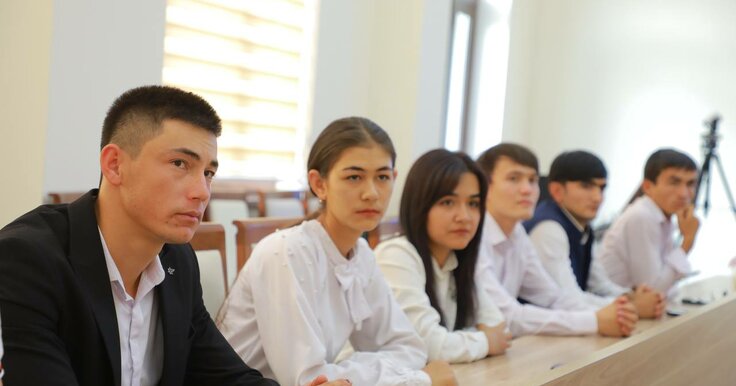
August 10, 08:38 My.kurs-ishi.uz Document submission. The procedure for assessing students' knowledge and conducting final exams in higher education institutions is changing: what does the new draft decision entail?
An important draft decision aimed at improving the assessment and monitoring of students' knowledge in higher education institutions has been published on the portal for discussing normative legal acts. This new procedure is planned to be implemented starting from the 2026/2027 academic year. ## Key Details and Important Information So, what changes can students expect under the new procedure, and how has the exam-taking process changed? ## Key Details and Important Information Below are the most important points of the project: 1. ## Key Details and Important Information Strict transparency and video surveillance of exams The main goal of the new procedure is to ensure transparency and openness in the exam-taking process and to prevent corrupt practices. ## Key Details and Important Information Auditoriums with video and audio surveillance Final control exams will be conducted in auditoriums equipped with special audio and video surveillance cameras. ## Process and Consequences Record retention: All video recordings will be securely stored for at least one year. ## Key Details and Important Information Online broadcasting: The examination process will be made available for public and parental observation in real-time through the official website of the university. 2. ## Process and Consequences Forms of final control and teacher feedback The format of examination assignments and the standards for evaluating students' work are changing.
Written and test exams Written exams: Final control will primarily be conducted in written form consisting of 3 to 5 assignments, with a limit of up to 2000 words for answers. ## Process and Consequences Test exams: If the exam is organized in a test format, the number of questions will range from 25 to 50.
Mandatory explanations for each question To ensure the objectivity of the assessment, professors are required to provide a written justification (feedback) for each student's answer, consisting of at least 2-3 sentences. 3. ## Process and Consequences Examining teachers will not have taught the subjects Another important step towards ensuring objectivity is to limit the participation of the teacher who taught the subject in the examination process.

Principle of objective assessment The subject teacher will not conduct the exam: The final control exam will be conducted by other professors who have not taught the subject. ## Process and Consequences Prohibition of participation in group exams The subject teacher is strictly prohibited from participating in the final exam process of the group they taught. 4.
New grading distribution and 60% pass threshold Students' assessments will be distributed according to the following structure in a 100-point system: Grading distribution structure: Current control — 30 points; Midterm control — 20 points; Final control — 50 points. (Note: A separate, adapted procedure will be implemented for medical institutions).
What is the passing score? Students are required to score at least 60% of the maximum points in each type of assessment.

A student who fails to meet this criterion will not be considered to have passed the respective assessment. 5. Inclusive education and addressing academic debt The draft decision also clearly defines conditions for students with disabilities and issues related to academic debt.
Adaptations for students with disabilities Exams for students with disabilities will be conducted in an adapted format using Braille, enlarged fonts, or specialized screen reader programs. Procedures for debt and retaking Procedures for retaking courses on a contract basis in the summer semester and for appealing exam results in case of dissatisfaction will be detailed for students with academic debt. ## Conclusion The proposed draft decision in the higher education system aims to reduce the human factor in assessing students' knowledge, increase transparency, and prepare qualified personnel.
Conducting exams under video surveillance and by other objective teachers will ensure fairness in assessment and, on the other hand, require students to approach their studies and preparation processes with greater responsibility. Discussion of this project will continue until August 12.

Every student and specialist can leave their suggestions and opinions on the discussion portal.
Related AI Academic Tools
Generate academic courseworks, research essays, or slides in minutes with AI.
AI Coursework Generator
Generate structured, academic-grade coursework with outline, research chapters, and references.
AI Presentation Maker
Turn chapter summaries and topics into professional slides, diagrams, and talk outlines.
Referat & Essay Generator
Draft an analytical paper, summary essay, or seminar assignment quickly.
Leading Universities & Academies
Explore prestigious universities, academic faculties, and admission requirements.
Recommended Academic Books
Curated university textbooks and guides for in-depth academic study.
Explore other news
All news